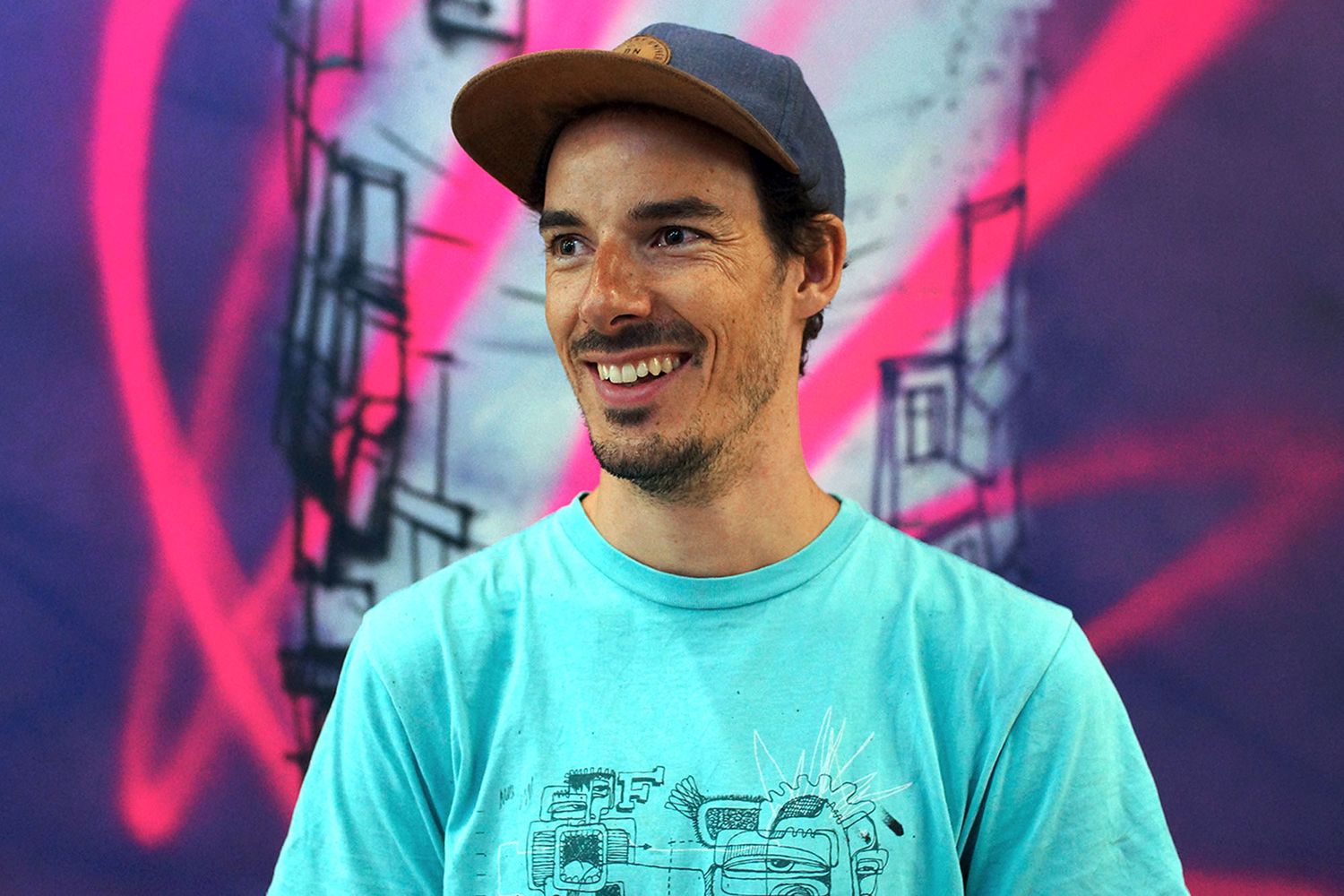
Graffmatt: “Fluo colors highlights my creations and let them shine”
Violaine Pondard • Posted on October 1, 2026
As a true rising star of the urban art scene, Graffmatt is one of those artists who has become a force to be reckoned with. Born in 1986 and originally from Chambéry in Savoy, he blends techniques drawn from both drawing and graffiti. He creates works where realism meets the fantastic. Both dark and luminous, his art is built on fluorescent contrasts that have become his signature. We sat down with this unique artist whose art leaves no one indifferent!
Was art a part of your life when you were a child or does that’s come up more recently?
I was born into a family of artists. My mother is a painter and she was used to exhibit in Switzerland when I was a kid. I grew up in her studio, drawn in by the smells of paint and turpentine. I would steal her brushes to create on my own! As for my father, he was a photographer in a ski resort, and later he started his own graphic design agency. He evolved alongside the software that gradually emerged. I was truly nurtured in this artistic and visual environment.
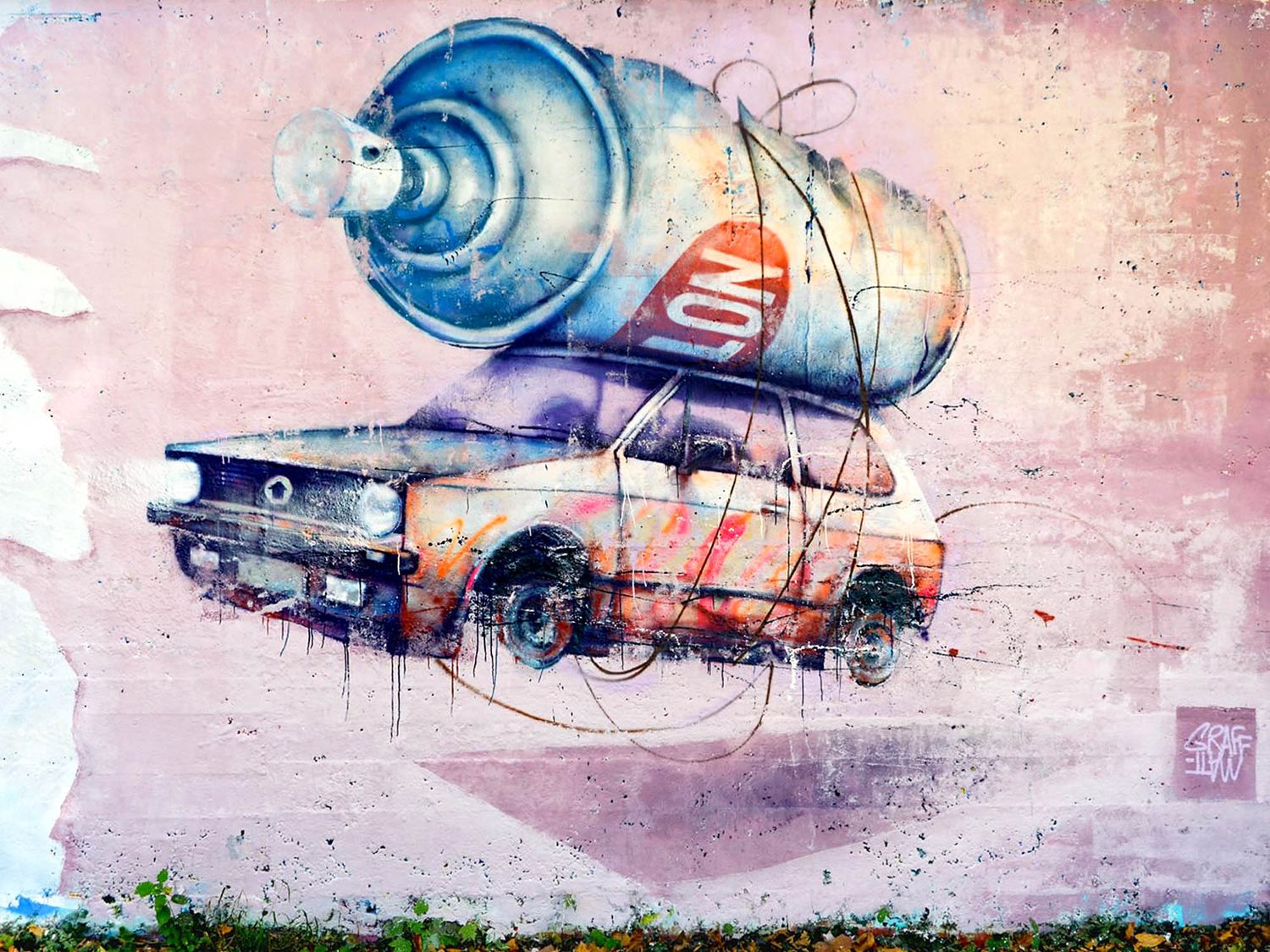
Was it logical for you to also take this path?
Not really, in the end. In my head, I never thought I'd be a painter. School was complicated for me; my head was always in the clouds. As a kid, I drew a lot and always had a pencil in my hand! But I realized that just knowing how to draw wasn't enough; I needed an education as well. So I just barely managed to get into an art school in Lyon, La Martinière Diderot. I completed a vocational baccalaureate in Applied Arts and an advanced diploma in Visual Communication. We drew constantly; there were observational drawing classes. Those studies were deeply tied to paper and print. So, I learned all the printing techniques, the papers, the mediums. It was fascinating. At the time, I received a lot of advice that scared me regarding the life of an artist. I regret listening to it, because I might have done things differently. Drawing was still considered a hobby, not a profession. Yet, I believe that when you truly apply yourself, as with anything, you can succeed. Fortunately, my parents never gave up and believe, and I was lucky they pushed me to pursue my projects to the fullest.
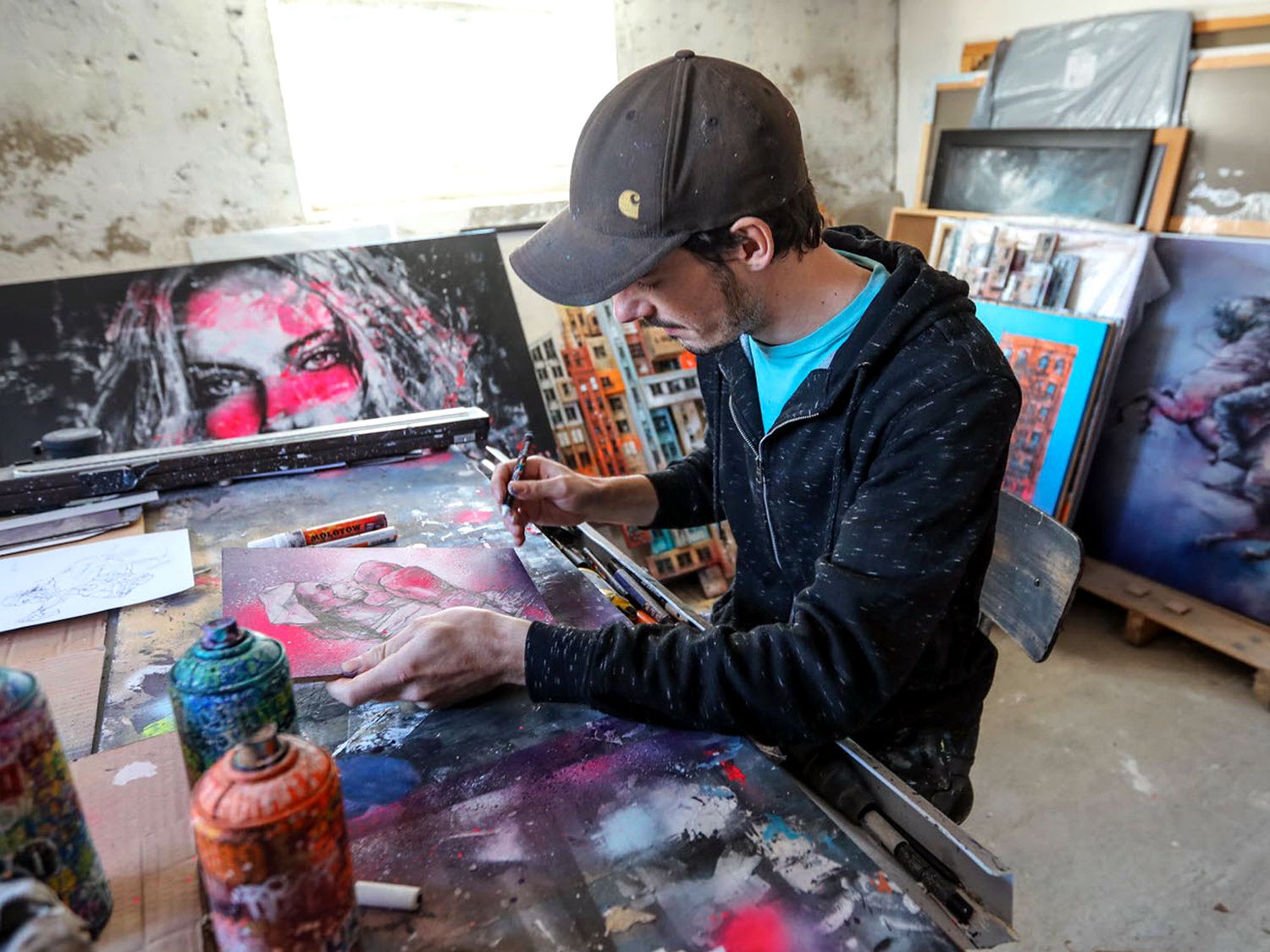
So, you actually began your career mostly behind a computer screen...
Exactly. I took on a string of odd jobs in graphic design. It was a safety net for me. But it wasn't that far removed from drawing. Still, I quickly felt the limitations. Moreover, I know that I really value autonomy and independence. On the side, I was drawing, and I even started selling my work. That’s when I realized I could turn it into a real career. So, in 2018, I went part-time for six months, supported by my boss at the time, to dive into painting alongside my job. And finally, I decided to focus 100% on painting at the end of those 6 months, a leap of faith!
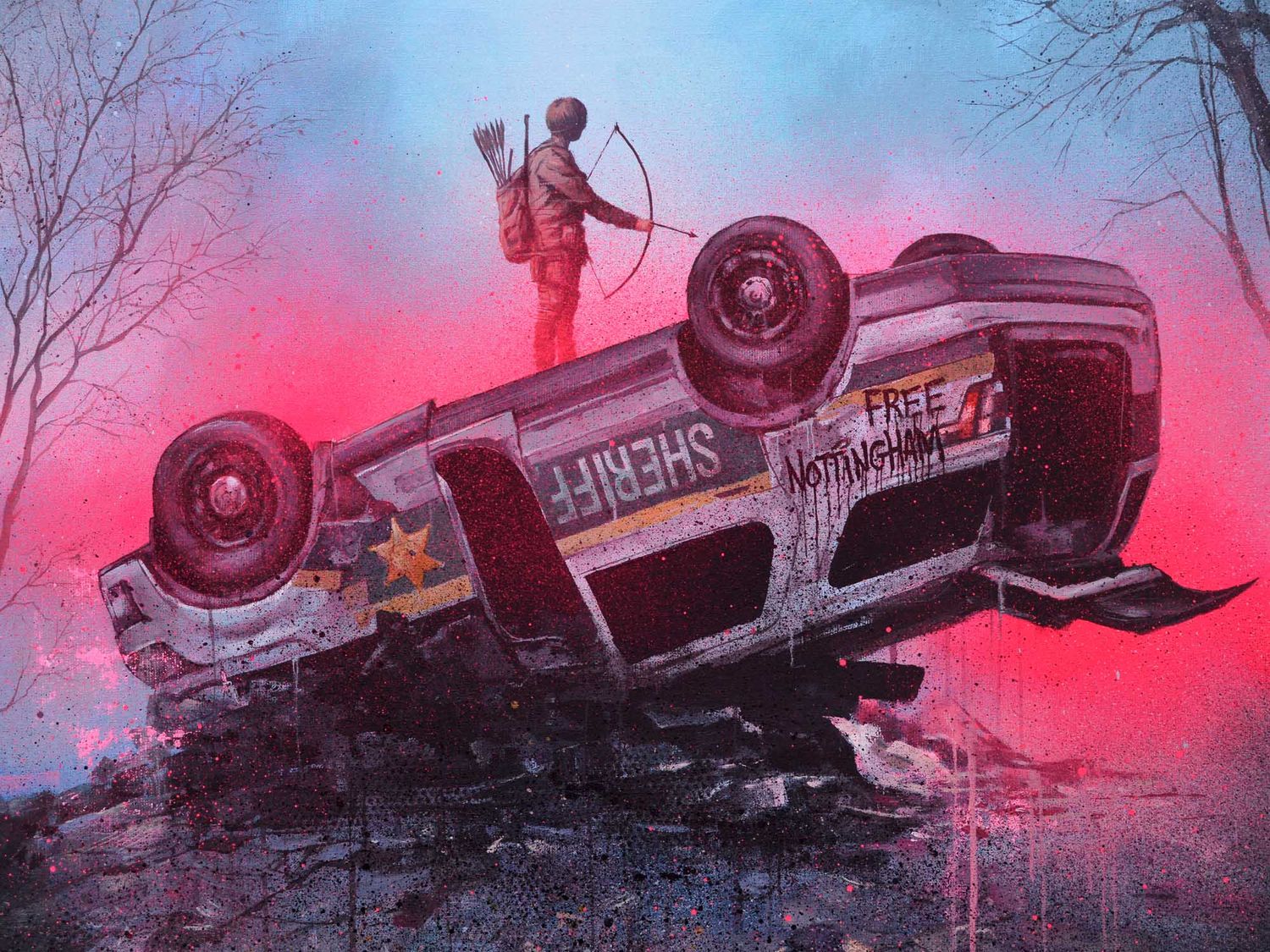
Exhibitions, galleries, art fairs, festivals... you started stringing together collaborations...
I was selling online, directly, and then on platforms. Most notably, I started working with Carré d'Artistes, who really propelled me forward by putting their trust in me. Then I met Greg from Urbaneez, who began championing my work on his platform and at various art fairs. Thanks to him, I took part in a fantastic exhibition at the Olympic Museum in Lausanne during the Olympic games in 2024, and then I exhibited at renowned art fairs such as District 13, Urban Art Fair, Affordable Art Fair Brussels and Lille Art Up but it doesn’t stop there!
What role urban art plays in this journey?
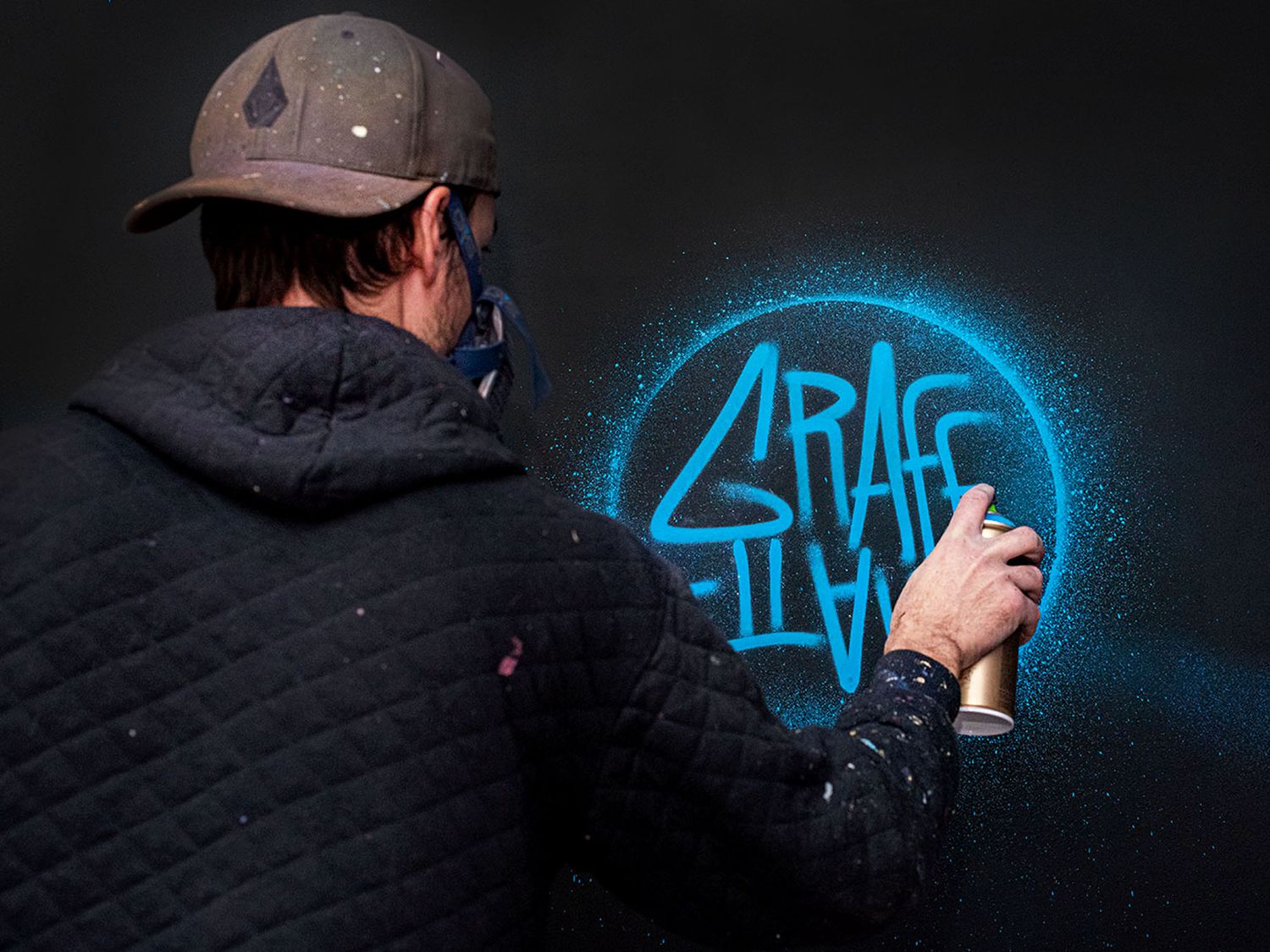
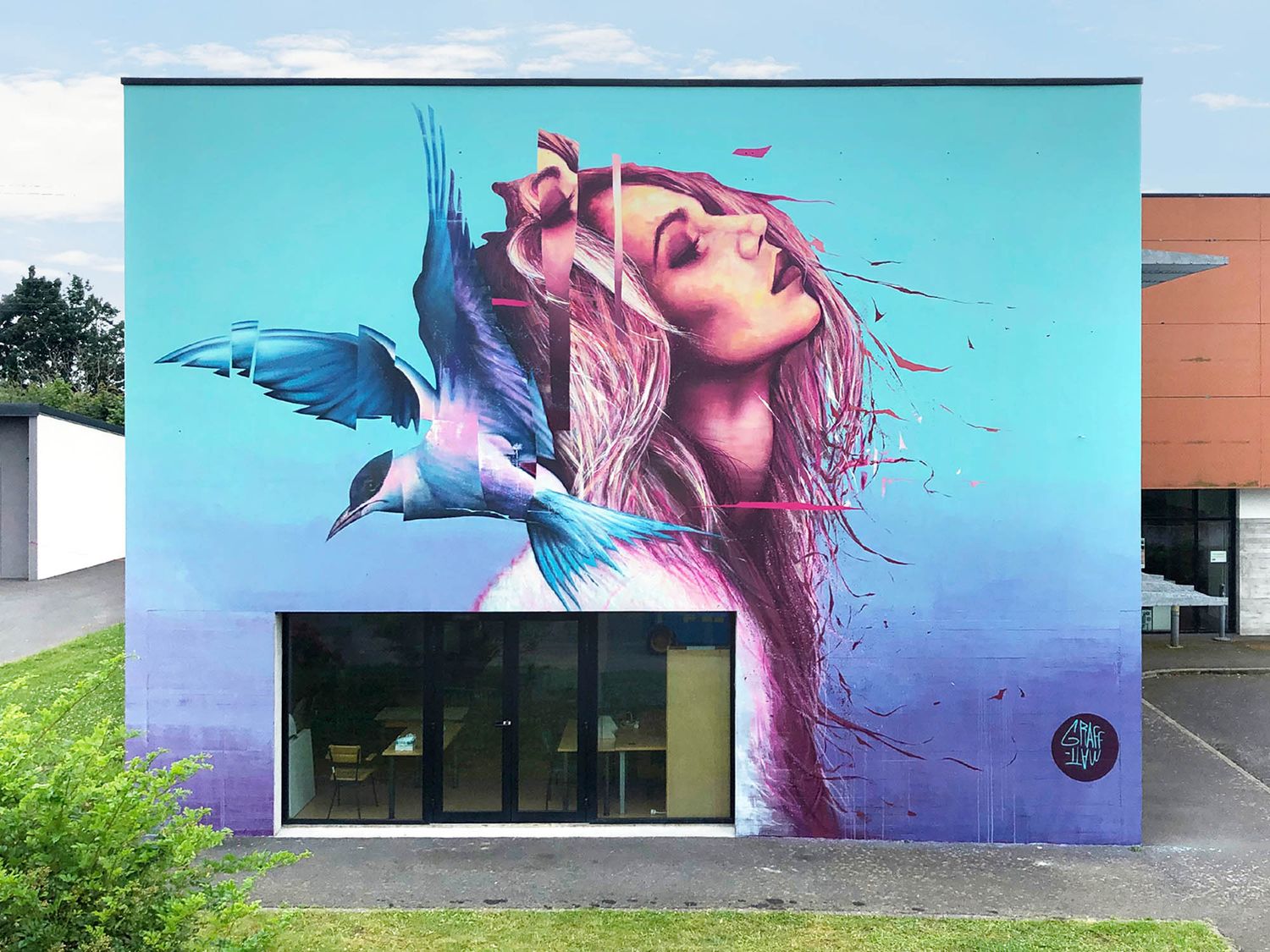
Ever since I was a kid, I’ve been fascinated by the streets. I often went on vacation to Paris to stay with my grandmother. I would deliberately wander into the slightly rougher parts of Paris: the suburbs, beyond the ring road... just for the atmosphere. But what later led me to painting was truly urban exploration (urbex). Places that had been lived in whether residences, factories, or hospitals that were abandoned but still retained their soul, leaving traces behind. My father gave me a taste for photography, and I took a lot of photos while doing urbex. That's where I met graffiti artists. I started painting with them. But I was a bit frustrated because I wasn't as fast as them. They already had the dexterity and mastered lettering in two seconds flat. I really wanted to do portraits, and that required more time. When I returned to Chambéry after my studies, I co-founded the collective "La Maise" with other artists. It wasn't just graffiti, but the common thread was still street art and muralism. Some were beginners like me, while others were more experienced and took the time to teach me. That built my confidence, and it was at that moment I picked up spray can again an decided to master it once and for all.
Unmistakable among all others artists, how would you describe your art?
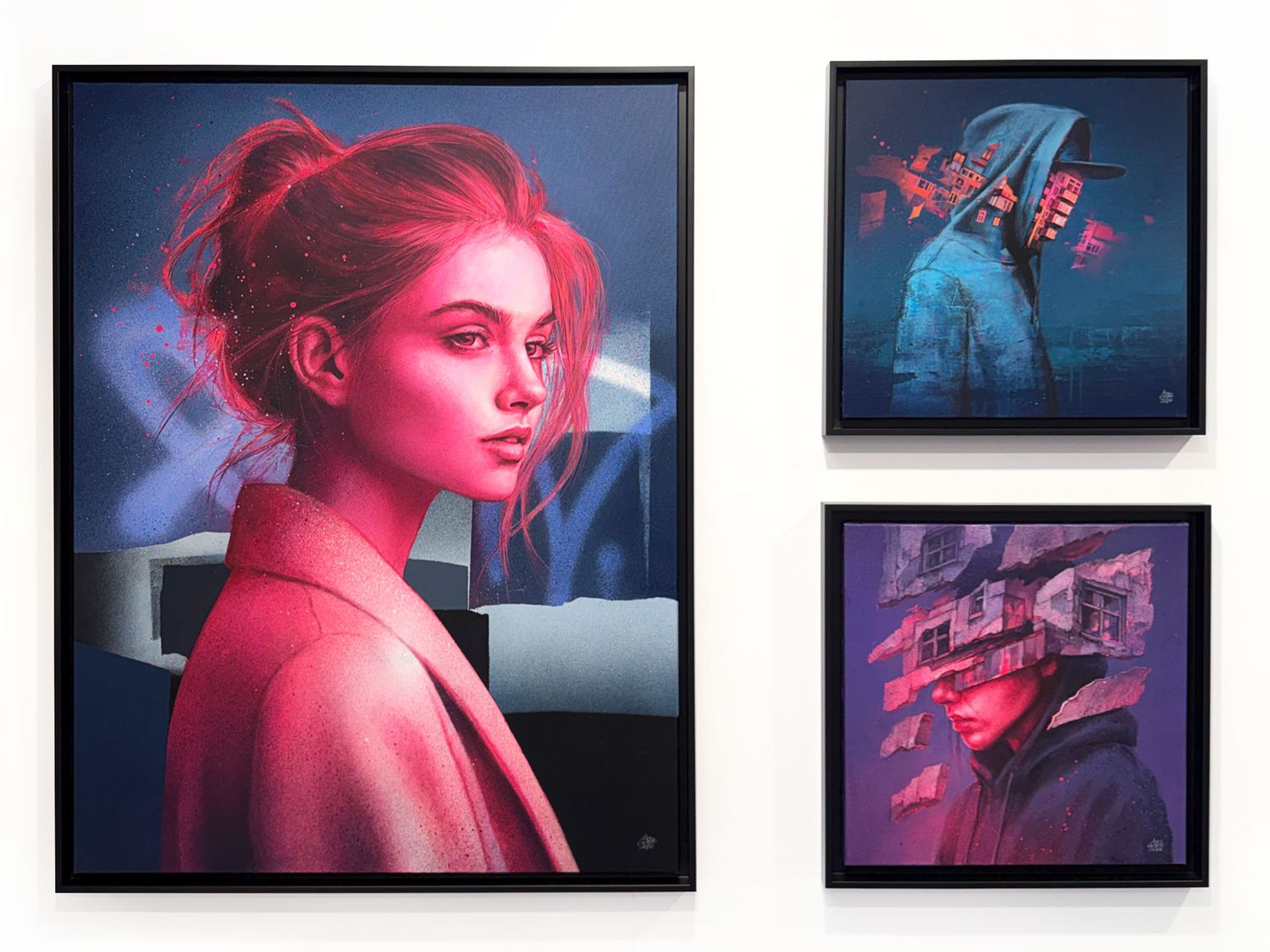
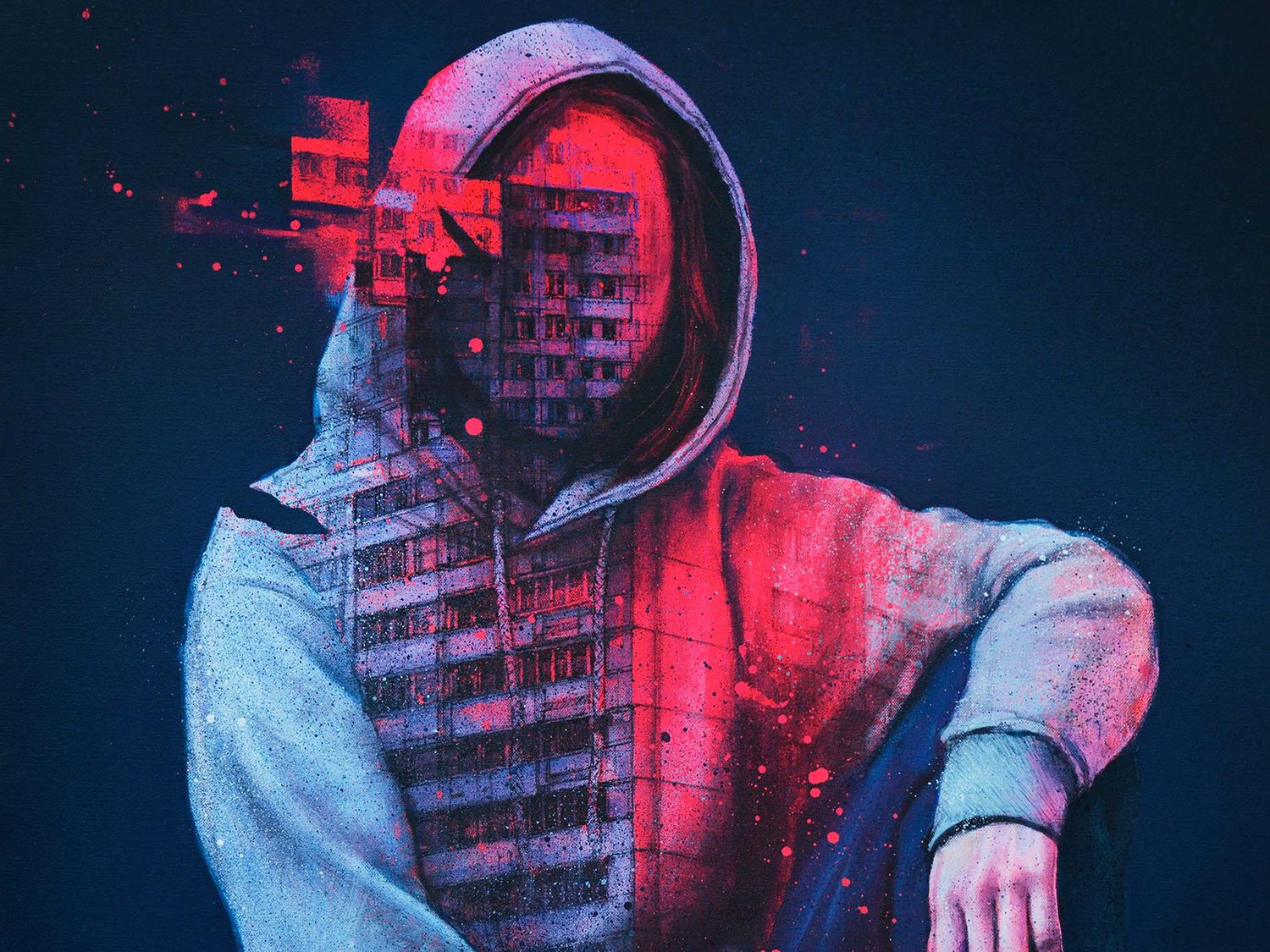
Urbex inspires my paintings. I transcribe the history of a lived experience. There is a fragility tied to something dark, contrasted by color, which gives my work an almost cinematic intensity. Coming from a drawing background, I incorporate graffiti techniques. I love the finish: the grain, the texture. I play with the figurative, using highly urban themes steeped in street culture. I add intricate contemporary effects, splatters, textures... everything you might also find on abandoned walls. It’s a mix of realism and deconstruction, something that is graphic yet fragile. Mixing techniques allows me to convey that. Acrylic mixed with spray paint creates a chemical reaction, an incompatibility that causes grain. That’s what I love! I fully lean into this grunge aesthetic. I work on portraits using photos for the pose and attitude, but invent the rest. Today, I'd like to create my character.
Have you drawn your inspiration from some other existing artists?
In the beginning, my works were very dark and heavy; they evoked Enki Bilal. In school, you're supposed to draw inspiration from artists and techniques. I took the opposite approach: I needed to find something that set me apart from him, and from other artists too. Color played a part in that, particularly fluorescent colors. It gave my work a graphic, punchy edge that creates contrast. I used neon tones to awaken, highlight, and bring vibrancy to my creations. Also, I squatted in so many abandoned places that I started salvaging materials, without really knowing what to do with them at first. But ultimately, by accumulating them, alongside my canvas work, I began using these mediums to create custom pieces: chipboard panels, wooden planks, cardboard, small pieces of furniture, pallets... Materials that already have texture, relief, depth, and thickness. It’s what makes my work feel more expressive and lively quality.
What are the recurring themes you explore throughout your work?
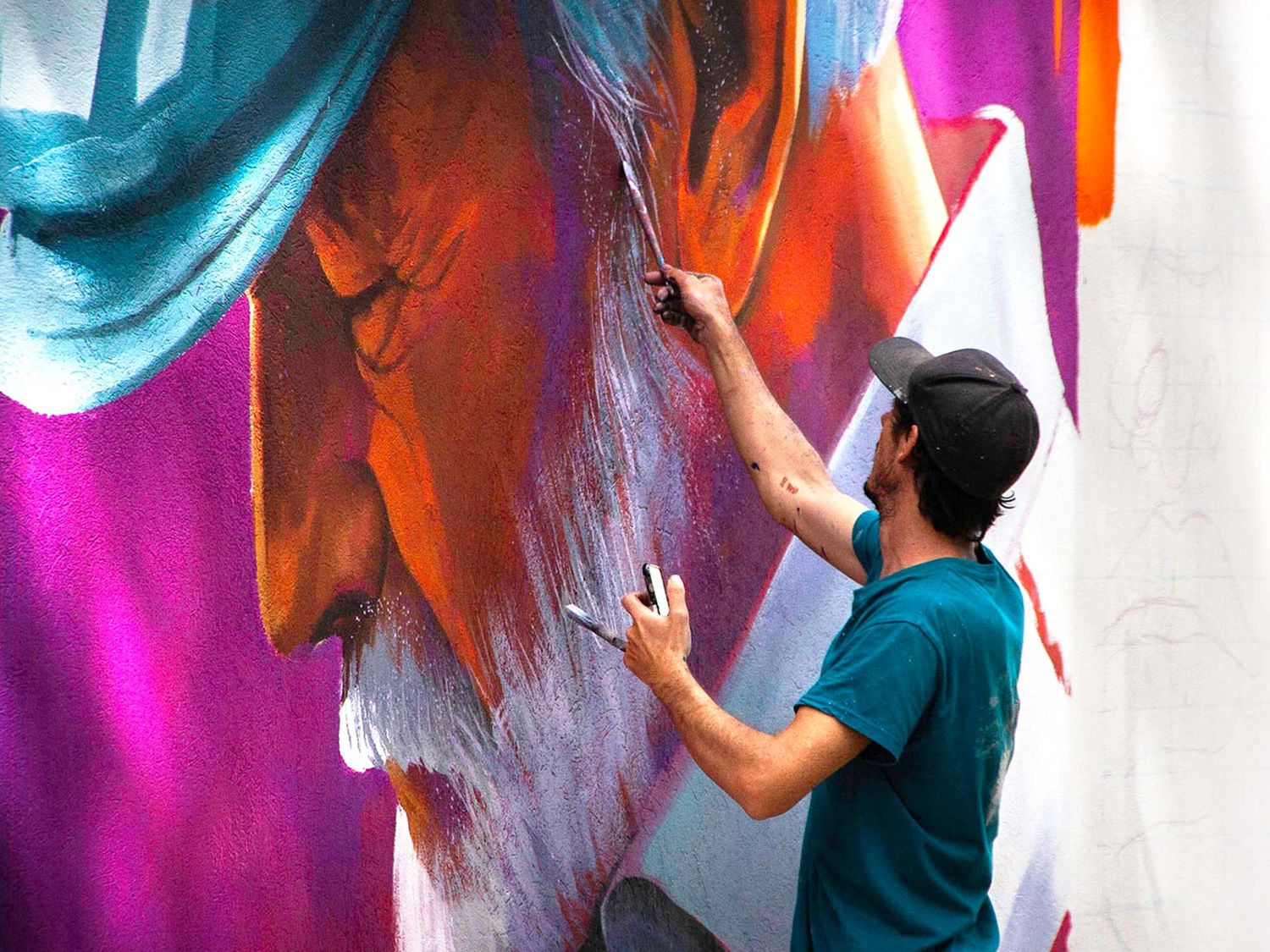
I primarily paint portraits and urban landscapes, highlighting the strength and fragility of humans within their environment. I question whether it’s the environment that makes the man, or the man that makes his environment. The portraits feel increasingly captured in the moment, and my work is evolving into a form where humanity becomes one with the urban landscape. I don't want to offer political messages, my goal isn't to protest, but to connect with current events.
What are your upcoming projects?
I’m constantly seeking that balance between studio painting, exhibitions, live painting, and murals. In 2026, I kicked off January with the District 13 Art Fair, alongside the "100% Paper" exhibition. Then, I participated in the Affordable Art Fair in Brussels in February and Lille Art Up! in March, followed by a string of street art festivals leading up to my latest exhibition in Belgium in September. Simultaneously, I’m working on a publishing project, illustrating the life of Darco in a graphic novel, with Tarek writing the script. Originally from Germany, Darco is one of the pioneers of graffiti in France. I will mostly handle the backgrounds, and Darco will feature as a guest: he’ll intervene directly on my backdrops with his throw-ups and lettering. It’s an honor for me to be part of this project. When I met Darco and he told me his life story, I found it absolutely fascinating. He is a humble, reserved artist, and for once, he is opening up. This graphic novel will be a true mise en abyme. As for what’s next, you can find me at the Art Montpellier fair, which runs from November 26th to 29th at the Parc des Expositions, as well as the unmissable District 13 art fair in Paris from January 7th to 10th, 2027.
Discover the profile of Graffmatt and his available artworks.